Showing posts with label vocab. Show all posts

Wednesday, 1 June 2016

2016.06.01 Class 31

Comparative and superlative adjectives in Tibetan!
FCE Exam – Writing part 2

Today we're going to review how to write articles (from Writing part 2) for the FCE. First we'll do an activity to get you thinking and talking about a topic, and then we'll use that topic to write an article in class.

The topic: Learning how to do something new

1) With a partner, talk about something new you'd like to learn (e.g. to play the guitar) and brainstorm how you could learn it (e.g. taking classes from your uncle).
Note that you learn to do something and that you can learn it (by) taking a class.
2) I tell you about a time I learned to do something new and you ask me any questions you have about it when I'm done.
Note the use of the narrative tenses (past simple, past continuous, past perfect) in my description and be aware of them as you prepare your own explanation.
3) Think about how you can explain something new that you learned to do.

4) Take turns describing how you learned to do something new. Ask each other questions, give suggestions and give each other constructive feedback.
Did any of the ideas from 1) above get used?
5) We watch a video in which a new skill is being learned. Did they use any of the methods from 1) above?

6) Look at this vocabulary (p2). Match the words in circles to words in a diamond (◊) to make collocations from the video.

FCE - Articles

1) Now we'll prepare a writing task for Part 2 of the Writing exam, an article. Look at the model article on SBp22 and with your partner:
  • Describe the style and tone of the article.
  • Where does the article speak directly to the reader? Do you like this?
  • Compare other model articles and useful tips on writing them on SBp70 and p91.
  • There's also a useful model article on LE Teens, but you can look at that after class.

2) Here's a summary of the Key tips for writing an article:
  • Plan your article based on the instructions
  • Give it a creative title 
  • Try to interest the readers using language like 'Have you ever wondered ...?', 'How would you feel if ...?', etc.
  • Give reasons for your opinions and, if time allows, examples of them
  • When you finish, check that:
    • it's long enough (at least 140 words)
    • it has two or more paragraphs
    • it answers the questions in the instructions
    • it has an appropriate style
3) Now let's look at an article from a real student and exam and see how it was marked. This is on p.27 of the FCE Teacher's Handbook (but we won't look at the feedback at first). With your partner, consider:
Does this article follow the tips in 2) above? What strengths does it have? What weaknesses? What marks would you give it for:
    • Content (follows the instructions)
    • Communicative Achievement (style of an article, clarity of ideas)
    • Organisation (paragraphing, linking words)
    • Language (grammar & vocab) 


4) Now you're going to begin preparing an answer to the following exam prompt:


The most useful thing I have ever learned.

   What is the most useful thing you have learned?
  Who did you learn it from? Why is it useful?

Write an article answering these questions.

We will publish the best articles on our website.


Plan your article with a partner:
  • Think of where you've learned things. Obviously at school, but where else?
  • What skill do you use a lot (and therefore is useful)? Or maybe a skill is useful because you enjoy it so much?
  • Once you've chosen a skill, think about who you learned it from and why you wanted (or had to) learn it. 
  • Why is it useful? (be creative)
  • Think about which paragraphs these ideas will go in.
  • Think of a title.
Then, start writing your articles individually. Remember to follow the rest of the Key tips in 2) above.

Homework


  • Your weekly 75 minutes of contact, which should include finishing the article you started in class.

Wednesday, 27 April 2016

2016.04.27 Class 26

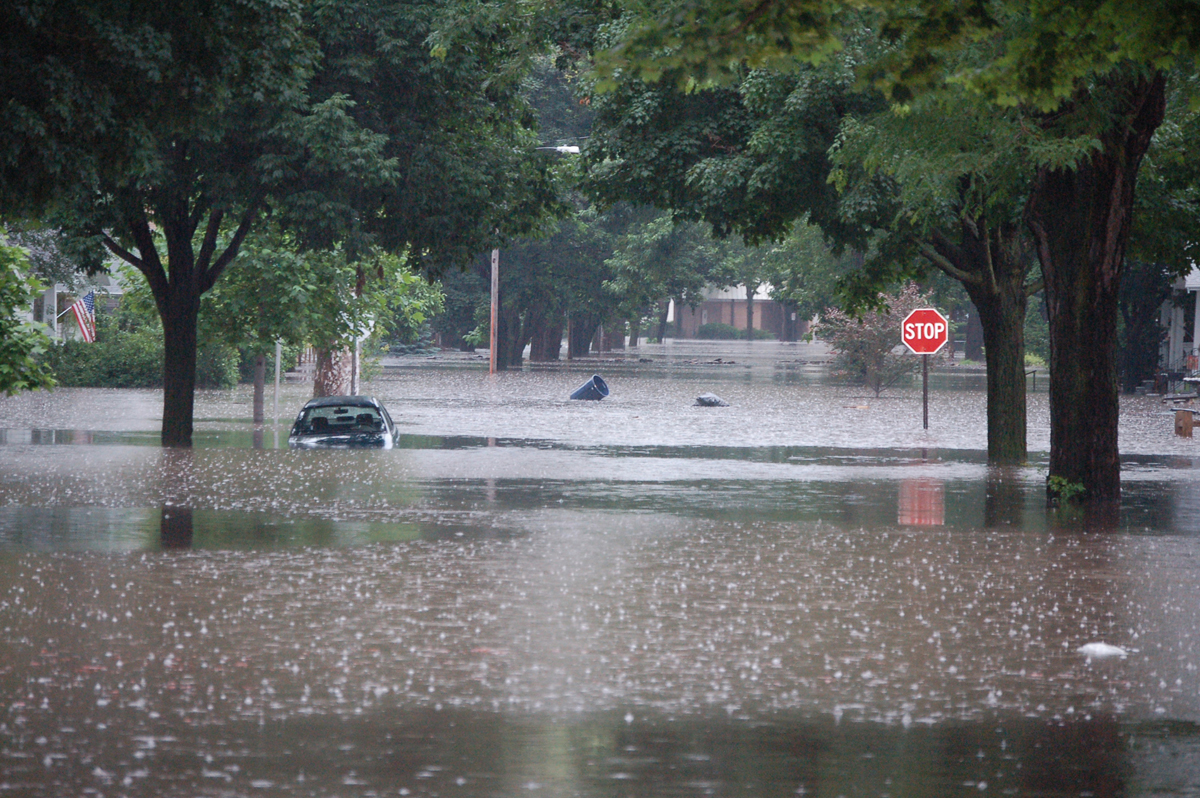
Flood in Hanoi, Vietnam

Homework and disasters

Today we begin class by reviewing your homework and extending it a bit.

First, below this post are the answers to your homework from the SB. If you missed class, you can correct your own work. Use this opportunity to develop your vocabulary! Even just five minutes of work is valuable.

Then we looked at the Disaster Preparedness Quiz that you had to read, talking about a few words I thought you might have found difficult:
  1. strike (in title)
  2. drills (Q1)
  3. power (Q2)
  4. looting (Q3)
  5. chance (Q5)
  6. seat-back pocket safety card | odds (Q6)
  7. patterns (Q8)
You wrote reasons for your answers and discussed them with a partner. Then I showed you the official answers, which are based on a lot of research and we discuss which are surprising and why.

I hope not, but maybe this information will be useful for you one day. I know I'll be looking to see where the exit is next I'm on a plane!

We also looked at an exercise that deals with five key words from the Disaster Quiz:
  1. drill - noun: tool for making holes | repetitive activity to practise - verb:
  2. effect - noun: result | 'special effects' | possessions - verb: 
  3. problem - noun: something needing attention
  4. odds - noun: the probability (likelihood) of something happening =~ chance
  5. strike - verb: stop work | hit | remove | discover | happen - noun: failure

Mock Exam

We began a mock exam, doing the Use of English (parts 1-4) and then Listening parts 1 and 3. Next week we'll continue.

We ended class with another game of Jeopardy – in the end, it was a draw between the two teams since they both bet everything on the question 'After oxygen, what is the most abundant element in the earth's crust?' (answer)

Homework

Since most of you seem to have exams at school this week, there is no homework for next week. But be prepared to do a writing task for homework next week!

If possible, you should study vocabulary and read. In Quizlet, there are lots of different FCE-preparation lists that you could study in addition to the ones from our class.

Wednesday, 20 April 2016

2016.04.20 Class 25


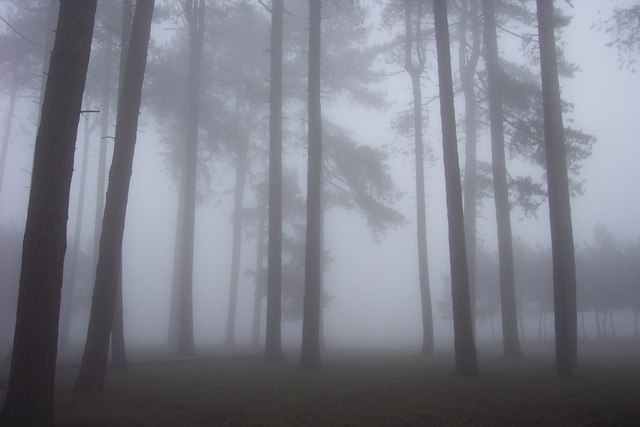
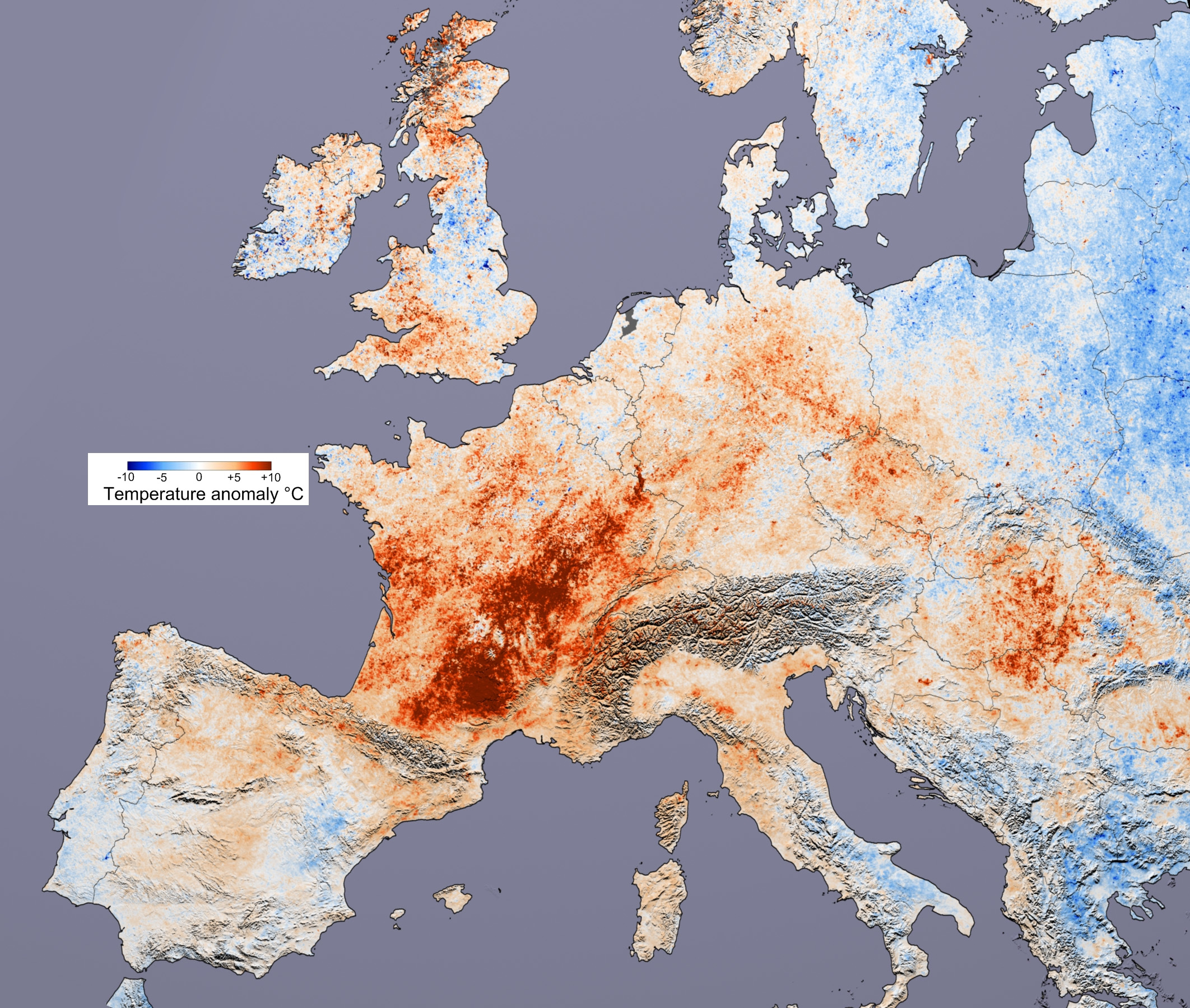
We began class by talking about the importance of vocabulary, in general and also for the FCE. We reviewed a Quizlet list of weather and climate-related vocabulary (from SBp56 ex2 and related to the photos in the post below) and another list of collocations on the same theme (from SBp56 ex1). This vocabulary was a helpful introduction to the L3 practice task we did on SBp56, which most of you found quite difficult.

We then turned to the UE4 task on SBp61. Here you saw very clearly how vocabulary was an important part of this part of the exam, as well of course as grammar. We then did ex1 on that same page to further work on vocabulary – and here you can find the list in Quizlet – and after the break we reviewed basic comparative forms on SBp60 before doing the S2 practice on that page as well. Remember that you don't need to describe the photos so much as to speculate about them, i.e. tell the story that you think is happening in them. One good way to do this is to say how you think the people in the photos feel, or, if there are no people, what it would be like to be in that place.

We finished the class with a Jeopardy game on Anglophone culture and trivia – Team Faded won in the last round, betting it all on their answer to the question 'Which US President was assassinated in 1865?' (answer).

Homework:
  • SBp61 ex2 (it would be useful to study this Quizlet list first)
  • SBp63 ex2 and ex4
  • Read and answer the How Prepared Are You If A Disaster Strikes questionnaire.

Wednesday, 13 April 2016

2016.04.13 Class 24 – Shakespeare


Today after reviewing your homework from Class 23 (which I made a list for in Quizlet) we did a series of activities related to Shakespeare's Romeo & Juliet. This year marks the 400th anniversary of Shakespeare's death and this is the reason for us doing something a bit different today!

First we reviewed the basic plot of the play watching a video on LETeens, and then you worked in groups to decide who was responsible for the deaths of the young, star-crossed lovers.

After the break, we went up to the computer room, where you worked on creating front pages for tabloid newspapers that reported the deaths of Romeo and Juliet. The results were quite good and we'll try to finish them next week in class.

For your homework and to help prepare for the exam in June, you should read something outside of class and study the vocabulary we've seen this year, at the very least the new vocabulary:


Wednesday, 2 March 2016

2016.03.02 Class 19

Today we began by reviewing your homework (SB p.39 ex1), a UE4 exercise, and also did ex4 together. We then reviewed how to say some difficult numbers and did some Listening practice (L2) on p.66.

There is a lot of useful vocabulary in Unit 4. I began a list in Quizlet for you that you should study: Compact First 2nd ed. - Unit 4

After the break, we played a tourism/geography trivia game in teams and then you wrote some similar questions, which we'll use in a future class.

We finished up class by recapping the film The Way Way Back a bit, as several weeks had passed since we last watched some of it, and then watched another 10 minutes of the film.

Homework:
  1. Study these lists in Quizlet:
    1. Unit 4
    2. Harrison Bergeron (if you haven't read the story, look for the link in Class 17)
  2. Read the brief description news article below, which describes something that happened in western North America, as well as the different solutions people proposed to the mystery. Then listen to the video to find out what the answer to the mystery is. Explain it in writing on a small piece of paper to hand in to me, or, if you prefer, write your answer in the comments - please just don't use your surname in your answer.

Why are severed feet washing up in Pacific Northwest?

Since 2007, sixteen detached human feet, all clad in running shoes, have been found on the shores of British Columbia and Washington State, including two grisly findings in the past month.

The mystery has prompted many to speculate wildly on their origins: from natural disasters like the 2004 tsunami, to organised criminals using the coast as a dumping ground, or maybe a serial killer with foot fetish.

To set us straight, and provide an answer to the mystery, we spoke to Barbara McLintock from British Columbia's Coroner's Office.

Wednesday, 24 February 2016

2016.02.24 Class 18

Today we began by reviewing your homework. We also did the exercises 4 and 5 on SB p.37. You should study the verb forms in the appendix for unit 4 on p.106 (-ing or infinitive).

We then turned to the story that you were to read the first page of for homework. After going through page 1 together, you identifed vocabulary to learn,

In the computer room, we worked on Quizlet. I asked you to add words and definitions to a list that I started:
  1. Harrison Bergeron
We then checked out a science fiction game called Samorost 2. You worked in pairs to advance in the game, using two computers:
  1. Computer 1: used to play the game
  2. Computer 2: used to read the walkthrough
Homework:
  1. go on reading Harrison Bergeron (p.2)
  2. study the vocabulary on Quizlet
Here is a 3 minute bio ('biography') of the author Kurt Vonnegut's life on Youtube:


Wednesday, 10 February 2016

2016.02.10 Class 16

Today I handed back the compositions you wrote for part 2 of the Writing test. Many of you got failing marks for this task simply because you didn't follow the instructions. It's a real shame to fail a task that you could easily have passed simply because you didn't read the instructions!

Today we worked in Unit 4 of the new book. We worked through pages 32-33 of the SB, which involved vocabulary and Reading part 6 practice.

We then did a series of activities related to film (a brief bio of Daisy Ridley) and numbers ('Massive numbers'). Finally, you did a quiz on part 2 of the Use of English that you had on the most recent exam.

Homework:
  • bring a (clean) joke to tell to the class
  • bring ideas for a debate
  • SB p.33 ex 6 and 7

Wednesday, 25 November 2015

2015.11.25 Class 8

Today's class was short due to my meetings with your parents from 16:00. We revised and corrected the exam you did in Class 7. It is very important to keep this exam, as you are going to need to study it. The results were mixed.

In general at this point, to be ready for the exam next summer, it's best to be getting about 45% and above in the Use of English and around 50% in the Reading. If you got lower than that, it's still possible you'll be ready, as often students perform poorly on their first exam, but you definitely need to take your work seriously. In February, we'll be doing a full mock exam and I will use your marks on that and this most recent practice test to assess whether you should register for the exam in the summer.

In the meetings with your parents, I'll be talking about your grades. FYI (='For Your Information') I also had an email sent to them with some general points about the class. Below the homework you can see what it said.

Homework:
  1. Review what I explained about 'say' and 'tell' in class 6 and then check your understanding of by doing this quizhttp://www.perfect-english-grammar.com/say-or-tell-exercise-1.html . If you get less than 16 correct, you need to study this more.
  2. Begin to study Parts 1 and 3 from the Use of English practice exam you did. Even if you missed class, you can start studying in Quizlet - look for the lists with 'UE1' and 'UE3' in the title.
  3. The Hand that Feeds Me (a short story I handed out in class or which you can get here)
    1. Read the story twice (on two different days).
    2. Underline 8 different lexical items (i.e. words or expressions) that you think are important for you to learn. Copy them into your notebook (I'd recommend you use the Vocabulary section in the back) and onto a piece of paper you can hand in to me. 
    3. Look up the lexical item (in a dictionary, in google, however you want) to understand what it means. Make some notes on the meanings on the piece of paper that you can hand in to me.

This is the email that was sent to your parents:

Queridos padres,

Soy el profesor del Instituto Británico de la clase que está cursando su hijo/hija. El miércoles 25 (16:00-17:30), estaré a su disposición para comentar las notas que ha sacado su hijo/hija hasta ahora y mi impresión de su progreso.

Por si no pueden venir el miércoles, a continuación tienen otros cuatro temas que mencionaré el miércoles:

1. Hay un blog de la clase en: http://kaspfirst.blogspot.com.es/ . Están más que bienvenidos a mirarlo y quería mencionárselo más que nada para que sepan que su hijo/hija lo pueda consultar para saber los deberes cuando falta a clase. 

2. Deberes - es que hay varios estudiantes que no están tomando en serio los deberes. Entiendo que van muy cargados, pero con solo asistir a clase, no es nada seguro que estén preparados para el examen para el verano del 2016 - para la gran mayoría, hay que trabajar fuera de clase también.

3. Su hijo/hija tiene una carpeta azul donde guardar sus redacciones. Para el 25 de noviembre, debe haber como mínimo cuatro redacciones. Algunas de estas se han realizado en clase, pero, relacionado con el tema 2, es muy importante que no salten los deberes, sobre todo cuando se tratan de redacciones.

4. En general, es imprescindible que su hijo/hija tenga contacto con el inglés fuera de clase y fuera del cole. Lo mejor sin duda es leer - las lecturas no tienen que ser literatura, lo mejor es que se trate de un tema que les interese - pero también va bien que miren la tele o películas en inglés. Propongo una hora a la semana. Si les pudieran facilitar el acceso a oportunidades para tener este contacto, estaría muy bien.

Gracias por su colaboración.

Cordialmente - Kirk Moore

Wednesday, 7 October 2015

Quizlet for vocabulary

Use quizlet.com which also has a free app, to study vocabulary from the book and class. You can also create your own lists there if you want.

The link to our classroom is: https://quizlet.com/class/1994344/ or you can search for Kasp First on quizlet.com.